
Most people ask can you have an axolotl as a pet and expect a simple yes or no.
The honest answer is yes — but with a catch. These are not low maintenance pets hiding behind a cute face. They are fascinating, unique, and surprisingly demanding. Get it right and they are one of the most rewarding animals you can own. Get it wrong and things go downhill fast.
Here is everything you actually need to know before deciding.
What Is an Axolotl?
Before anything else, what are you actually getting?
Axolotls are a type of salamander, specifically Ambystoma mexicanum, and they behave nothing like what most people picture when they think about amphibians.
Unlike the tiger salamander and other species of salamander that eventually become terrestrial adults, axolotls stay aquatic their entire lives. They remain permanently in the larval stage, keeping their external gills and never transitioning onto land.
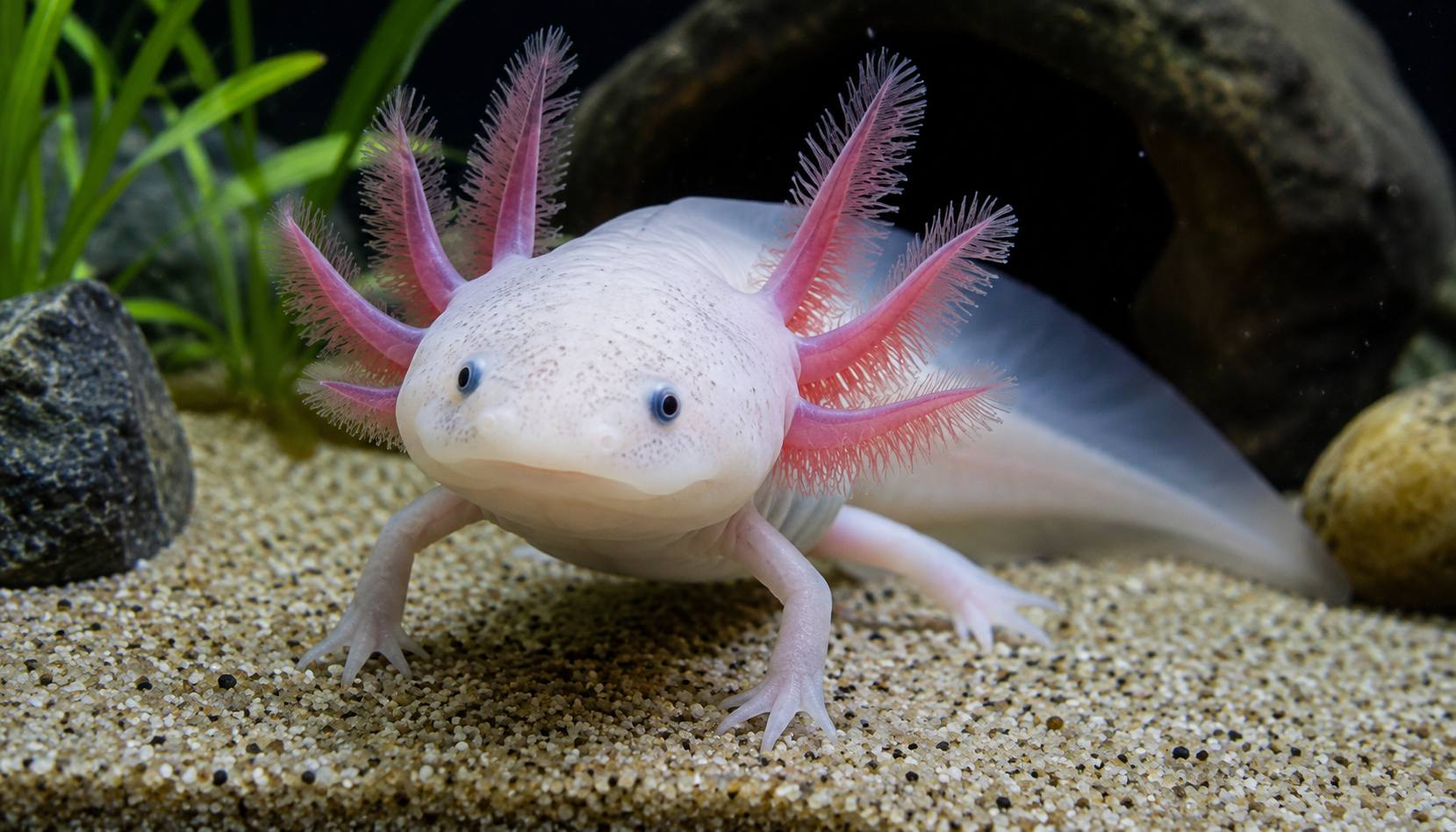
That is why they are grouped with aquatic salamanders and sometimes mistakenly called the Mexican walking fish — even though they are not fish at all. Everything about them, from their long tail to their soft bodies and dark eyes, is built entirely for life underwater.
Their unique appearance is what pulls most people in. Those feathery gills that wave gently in the water. That permanent little smile. It looks almost too good to be real — and honestly, that is exactly what got me too.
Where Do They Come From?
Axolotls originate from Mexico City, specifically from places like Lake Xochimilco and historically Lake Chalco. These were once their thriving natural habitat — waters filled with wild axolotls living exactly as nature intended.
That picture looks very different today.
Pollution, urban expansion, and invasive species have caused the axolotl population to collapse dramatically. Wild axolotls are now considered a critically endangered species, and most of the ones kept as pets are captive axolotls produced through selective breeding programs.
This is why conservation efforts matter — and why going to reputable breeders is not just a preference, it is the responsible choice. Buying from random or unverified sellers risks supporting poor practices, and the potential release of axolotls into environments where they do not belong creates a large environmental threat that affects the entire species.

Is Pet Axolotl a Good idea?
They can be great pets, for the right person.
In recent years axolotls have become a popular choice among people interested in exotic pets, particularly across the United States. That popularity is well earned. But it has also led to people bringing one home without understanding what proper axolotl care actually involves.
Axolotls have very specific needs. They are not like a goldfish you feed and forget. They require consistent attention to water quality, temperature, feeding, and environment. Ignore any one of those things and their health deteriorates quickly.
If you are willing to learn and stay consistent, owning a new axolotl is genuinely one of the most unique experiences in the pet world. If you want something truly low maintenance, this is probably not the best place to start.
Tank Setup: Getting the Environment Right
Their entire life depends on water conditions. A well-maintained aquatic environment is not optional — it is everything.
Tank size is the first decision. Adult axolotls need a minimum of 20 gallons, with at least 10 extra gallons per additional axolotl. They have a surprisingly long tail and need enough space to move freely along the tank floor. Height matters less than floor space — prioritize length over depth when choosing a fish tank.
For the base, a fine sand substrate works well and mimics their native habitat naturally. A bare bottom tank is easier to clean but offers less enrichment and can stress some individuals.
Live plants and aquatic plants do more than look good. They provide hiding places axolotls genuinely need, help maintain water stability, and make the overall environment feel more natural. Axolotls do not like feeling exposed — giving them places to retreat keeps their stress levels low and their behavior healthy.
Avoid bright lights. Axolotls come from naturally dim environments and direct sunlight causes stress fast. Keep the tank away from windows and use low intensity lighting if any at all.

Water Quality and Filtration
Water quality is probably the most important part of everything. Poor water quality is the number one cause of health issues for axolotls, and it’s something that can go wrong very quickly if you’re not paying any attention to it
. Clean water isn’t just about appearance, it’s about chemistry. If you’re using tap water, you need water conditioners to remove harmful chemicals like chlorine. Without that, you’re basically putting your axolotl in unsafe, and dangerous conditions from the start.
A sponge filter is usually the best option because it helps maintain good water quality without creating strong currents, which axolotls don’t like.
At the same time, beneficial bacteria need to develop in the tank to break down waste, otherwise you end up with poor water conditions that can lead to bacterial infections or other serious problems that will harm them. Regular water changes become part of your routine whether you like it or not.
Water Temperature and Lighting
Temperature is another thing that surprised me and you need to put into consideration. Axolotls need cool water, and water temperature plays a huge role in their health.
If the water gets too warm, it can cause stress and open the door to all kinds of issues. Keeping the tank away from direct sunlight and avoiding bright lights helps maintain stable conditions.
Axolotls naturally prefer dim environments, too much light can lead to clear signs of stress like hiding all the time or refusing food. Maintaining optimal conditions really comes down to consistently paying attention to these small details.
Feeding Your Axolotl
Feeding axolotls is one of the more enjoyable parts of owning one — but it still requires some understanding.
Axolotls are carnivorous and need a balanced diet to support healthy growth. Axolotl pellets are the most reliable everyday food source and widely available. Many owners also incorporate live food like brine shrimp, insect larvae, jumbo bloodworms, and small prey depending on the size of the animal.
Age matters when it comes to food size:
- Baby axolotls and young axolotls do best with smaller food like brine shrimp
- Juvenile axolotls can move onto slightly larger options as they develop
- Adult axolotls handle the full range including larger live prey
One rule that matters more than people realize: always remove uneaten food. Food left sitting in the tank breaks down quickly and drives poor water quality — which circles right back to being one of the biggest health risks they face. It takes thirty seconds and makes a real difference.
Health Issues to Watch For
Even with excellent care, axolotls can run into common problems. Knowing the signs early makes all the difference.
Fungal infections and bacterial infections are the most frequent issues owners encounter, and both are almost always linked back to poor water conditions or prolonged stress. Feathery gills are one of the best health indicators you have — if they start shrinking, looking ragged, or losing color, something in the environment needs immediate attention.
Signs of stress to watch for include:
- Hiding constantly and refusing to come out
- Loss of appetite
- Curled or damaged gills
- Unusual floating behavior
Axolotls are well known for their remarkable regenerative abilities — they can regrow lost body parts including limbs and even parts of their heart. But those abilities are not a reason to expose them to poor conditions. Regeneration is a survival mechanism, not a safety net for bad husbandry
Legal Considerations
Something else people often overlook is the legal side. Ownership of axolotls isn’t allowed everywhere. In some places, like New Jersey, there are restrictions, so it’s always worth checking local rules before making any decisions and getting them without knowing. It’s one of those small steps that can save you from bigger problems later on.
How Much Does an Axolotl Cost?
Cost is one of the most searched topics around axolotls and the original article skips it entirely — so here is a realistic picture:
Starting costs vary depending on setup quality, but budgeting $300 to $500 for everything before the axolotl even arrives is a realistic expectation.
Frequently Asked Questions
Can you have an axolotl as a pet in the US?
Yes, in most states. However some states including New Jersey restrict or ban ownership. Always check your local laws first.
Are axolotls hard to take care of?
They are intermediate level pets. Water quality and temperature management require consistent attention but are manageable with the right setup.
How long do axolotls live as pets?
A healthy, well cared for axolotl typically lives between 10 and 15 years.
Can axolotls live with other fish?
Generally no. Most fish will nip at their feathery gills causing stress and injury. Axolotls do best alone or with other axolotls of similar size.
Do axolotls recognize their owners?
They do appear to become accustomed to the people who feed them regularly, showing more relaxed behavior over time. Whether that counts as recognition is up for debate, but it is one of the charming things about living with one.
Final Thoughts
So — can you have an axolotl as a pet? Absolutely yes.
But the question worth sitting with is whether you are ready to give one what it actually needs. A well-maintained aquatic environment, clean water, the right temperature, a proper diet, and consistent attention to their health. That is the commitment their entire life depends on.
For the right person, axolotls from places like Lake Xochimilco — now living in living rooms across the United States — are genuinely good pets and endlessly fascinating aquatic animals to share your space with.
Do the research. Find reputable breeders. Set the tank up properly before the animal arrives. And if you get it right, what you get back is one of the most unique and rewarding pet experiences out there.
This blog talked about What Does a Turkish Kangal Dog Actually Cost. You might also enjoy: