
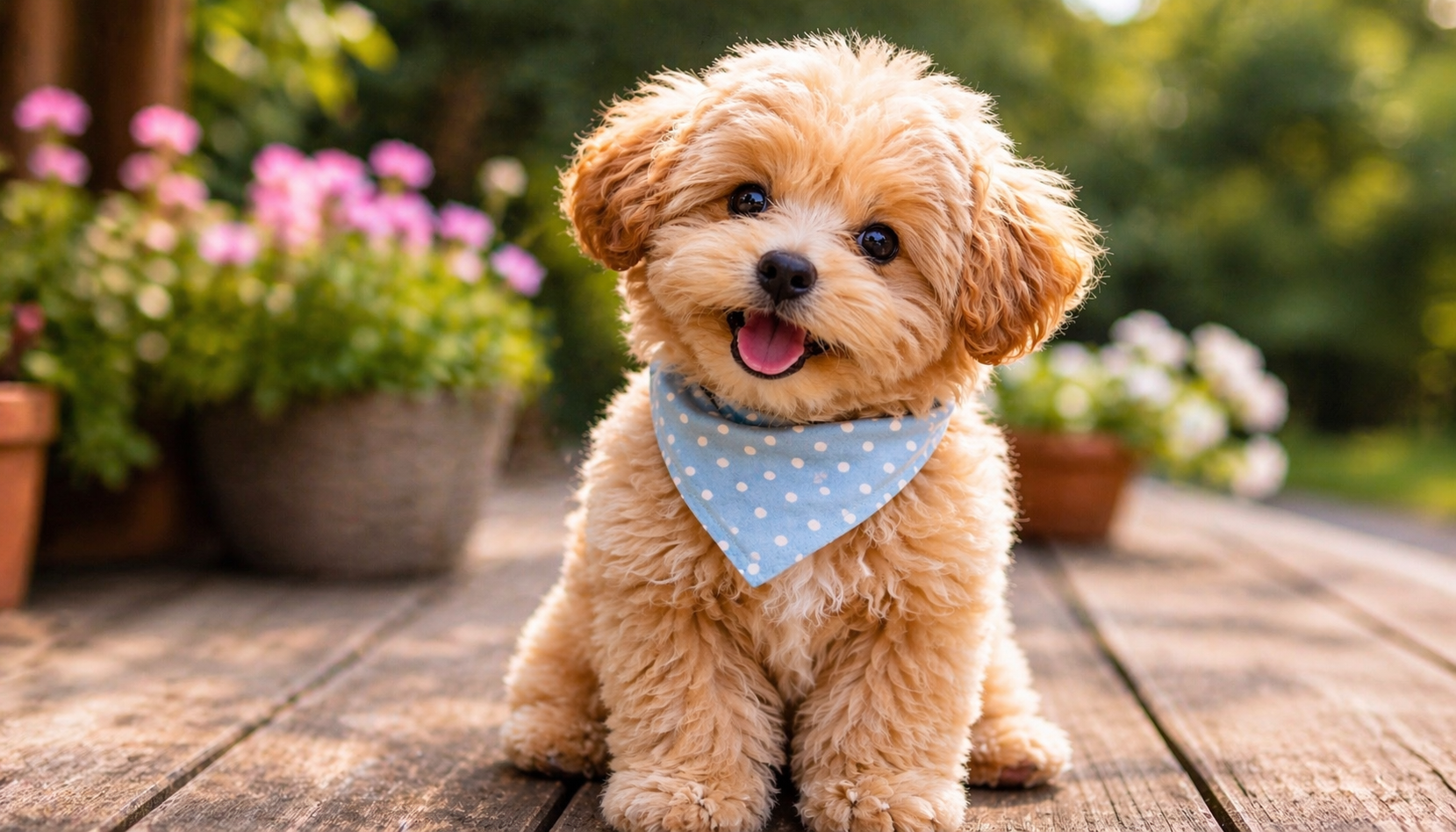
I still remember the first time I saw a teddy bear puppy in person. Someone walked into a coffee shop with this tiny, fluffy dog that honestly looked more like a stuffed animal than a living creature. Soft floppy ears. A perfect button nose. Big, soulful eyes that pulled you in before you even realized what was happening.
That one moment sent me down a full rabbit hole and what I discovered completely changed how I think about small dog breeds.
So if you have ever spotted one of these dogs and thought wait, is that even real? this article is for you. Let’s talk about teddy bear dog breed, where they come from, what makes them so special, and whether one might genuinely fit your life.
So, What Are Teddy Bear Puppies Exactly?
Here is the first thing that surprised me: teddy bear puppies are not a single recognized breed.
They are designer dogs meaning they are the result of deliberately crossing two or more purebred parent breeds to achieve a specific look and temperament. The American Kennel Club does not officially recognize “teddy bear dog” as its own category. Which confuses a lot of people who assume they are looking at something established.
What earns a dog the teddy bear label is really about appearance. The fluffy coat, the compact round face, the button nose, the expressive eyes, it all comes together to make these dogs look almost exactly like the stuffed animal you had as a kid. And because several different hybrid dogs can produce that look, you will find quite a few different mixes all being sold under the same teddy bear label.
Some of the most common include:
- Shichon (Shih Tzu + Bichon Frise) — sometimes called a Zuchon or Tzu Frise
- Poochon (Toy or Miniature Poodle + Bichon Frise)
- Mixes involving the Cavalier King Charles Spaniel, Lhasa Apso, Cocker Spaniel, and occasionally the Chow Chow
Each combination produces something slightly different in size, coat texture, and personality. But they all tend to land in that same irresistible, cuddly category that people fall for instantly.
Where Did Teddy Bear Dogs Come From?
Designer breeds really took off in the US over the past few decades as people started looking for dogs with very specific traits that purebreds alone could not always deliver. The thinking was simple: combine the best of two breeds — a friendly temperament from one side, low-shedding coats from another, a compact size from a third — and you get something that checks every box.
Teddy bear dogs became especially popular among apartment dwellers, families, and older adults because of their small size, gentle nature, and the fact that many of them carry hypoallergenic coats that make them more manageable for allergy sufferers. They are not completely allergen-free (no dog truly is), but for plenty of people who assumed dog ownership was off the table, teddy bear mixes genuinely changed that.
Personality: What Are They Actually Like to Live With?
This is where these dogs really earn their reputation.
The affectionate nature of these dogs is something that people talk about constantly. These are not dogs that will wander off to another room and do their own thing. They want to be involved, close, and connected to the people they love.
That bond is one of the most beautiful things about them. It is also something to take seriously.
Because they attach so strongly, teddy bear dogs can develop separation anxiety when left alone for long periods of time. If your daily routine means an empty house for most of the day, this is genuinely worth thinking through before bringing one home.
They do not just prefer company, they need it. They thrive when they are treated like full family members, included in daily life, and given consistent attention.
The good news? They are also intelligent dogs, which makes them very responsive to training. They respond well to positive reinforcement and pick things up quickly, especially when training starts from a young age.
Early socialization is also really important for these dogs. Introducing them to different people, environments, and other animals when they are young, ideally from around 6 to 8 weeks old, helps them grow into confident and well-rounded adult teddy bear dogs.
Energy Levels and Exercise: How Much Do They Actually Need?
Less than you might think — but not zero.
Teddy bear dogs are lively and playful, but they are not the kind of active dogs that need two hours of outdoor exercise a day to stay sane. A daily walk plus some indoor play and mental stimulation is usually plenty to keep them happy and healthy.
This makes them genuinely well-suited to apartment living, which is a big part of why they became so popular in cities. They are adaptable, they are not constantly bouncing off the walls, and they are content as long as they feel engaged and included.
They are not much exercise-demanding dogs, which is part of why they work so well for people who want an energetic companion without the physical demands of a larger or more high-energy toy breed.

Grooming: The Part People Underestimate
Let’s be honest about this one, because it catches people off guard.
That beautiful, fluffy coat does not maintain itself. Most teddy bear mixes do require regular grooming to keep that coat in good shape. Daily brushing is important to prevent matting and tangling, especially for dogs with longer or thicker coats. Skip it for a few days and you will feel the difference immediately when you pick up the brush.
Beyond daily brushing, most owners also schedule professional grooming appointments every four to eight weeks, depending on the specific mix and how quickly the coat grows. Proper care of the coat is not just a vanity thing — matted fur can cause real skin irritation and even infection if it goes unaddressed.
Grooming is a recurring cost and a genuine time commitment. It is also, for a lot of owners, one of the bonding rituals they end up loving. But go in knowing it is part of the deal.
Health: What to Be Aware Of
Because most teddy bear dogs are mixed breed dogs, they sometimes benefit from what breeders call hybrid vigor — the idea that genetic diversity from crossing two breeds can reduce the chance of inheriting the specific conditions that affect purebreds. However, that is not a guarantee.
Depending on the parent breeds, some health issues worth knowing include:
- Patellar luxation — a kneecap issue common in small breeds
- Hip dysplasia
- Dental problems — very common in little dogs with compact jaw structures
- Eye-related conditions
Regular veterinary care and keeping up with checkups is the best way to catch anything early and give your dog the best chance at a long and healthy life.
Responsible breeders will screen their parent breeds for known conditions before pairing them, which is another reason why it matters where you get your dog from.
Are Teddy Bear Puppies Good for Families?
Are They a Good Fit for Families?
Honestly, yes. Teddy bear dogs make a great family pet in the right household. Their gentle nature and friendly disposition mean they tend to get along well with children and other animals when properly socialized. Many teddy bear dogs have been used as therapy dogs in hospitals and care homes — not because someone trained the warmth into them, but because it is just who they are.
They are also a great choice for mention first-time dog owners. They are not overly demanding physically, they are smart enough to train without too much frustration, and their small size makes them easy to manage day to day. As long as you can meet the grooming needs and give them the company and attention they need, a cuddly teddy bear dog will give back everything you put in and then some.
Are They Good With Other Pets?
Something I did not touch on earlier that is worth knowing is how teddy bear dogs tend to behave around other animals in the home. Because of their friendly disposition and gentle nature, most teddy bear mixes do really well with other dogs and even cats when introduced properly and given time to adjust.
Early socialization plays a big role here again. A teddy bear puppy that grows up around other pets from a young age is almost always going to be more relaxed and comfortable sharing space than one that gets introduced to another animal later in life. Their small size means they are not going to be physically intimidating to other animals, and their naturally calm temperament means they rarely start trouble.
That said, because they are little dogs, it is worth being mindful around much larger dogs that could accidentally hurt them during play, not out of aggression, just out of size difference alone.
What Does a Teddy Bear Dog Actually Cost?
This is the conversation nobody wants to have but everyone needs to.
Because these are designer breed dogs and not something you will stumble across easily at a standard shelter, the upfront cost from a reputable breeder can be significant.
Ongoing costs include:
- Veterinary care (routine checkups, vaccinations, unexpected illness)
- Professional grooming every few weeks
- Quality food suited to a small breed
- Toys, supplies, and enrichment
None of this is said to discourage you. The joy a teddy bear puppy brings to a home is absolutely worth it for the right person. But going in with a realistic financial picture means you are far less likely to end up in a situation where money becomes the reason a dog gets rehomed — and that matters for the dog more than anything.
A teddy bear dog that gets consistent care, proper nutrition, and regular vet attention has every chance of being by your side for a long, healthy life.
Final Thoughts
What started as a curious double-take in a coffee shop turned into a genuine appreciation for what these dogs actually are.
They are not just cute dogs with a clever marketing name. They are warm, emotionally intelligent, adaptable little dogs that genuinely thrive when they are truly part of a family that has time and affection to give. If that sounds like your household, a teddy bear puppy might just be exactly what you have been looking for.
This blog talked about what are teddy bear puppies. You might also enjoy: