
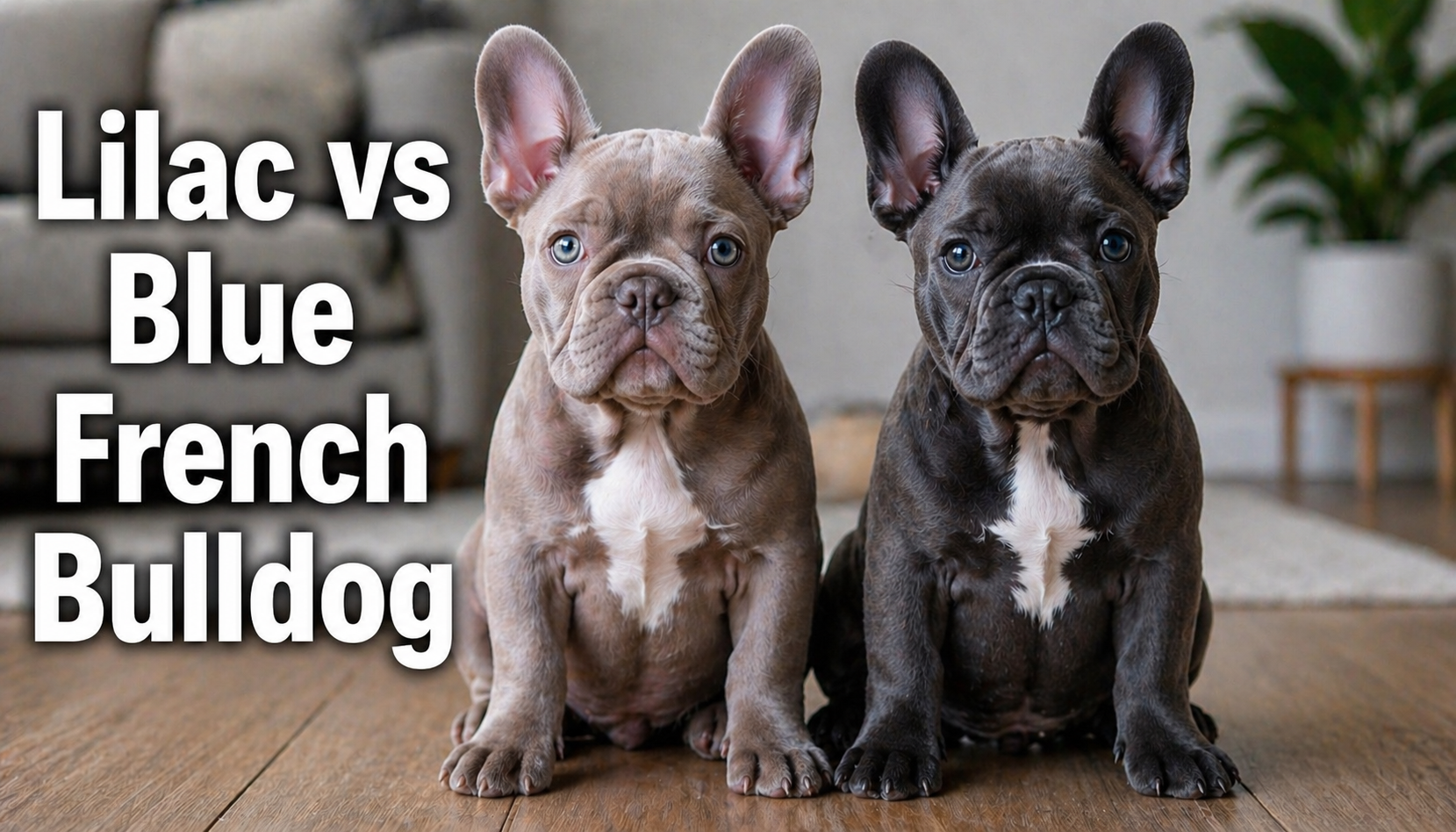
If you have spent any time on the Frenchie side of Instagram or TikTok, you already know this debate exists. Lilac vs blue French bulldog. Two stunning colors, a lot of confusion, and honestly more than a little controversy.
I have been around French bulldogs a lot in the recent years, working closely with breeders, vets, and plenty of very opinionated French bulldog owners. This topic comes up constantly.
So let’s cut through the breeder hype and the fad colors marketing and talk about it properly. Real genetics, real experience, and everything you actually need to know before making a decision.
Why everyone is obsessed with rare French bulldog colors
French bulldogs already have a goofy affectionate nature that makes people fall fast. Add rare coat colors and demand explodes.
In recent years, exotic colors like lilac, blue, lilac fawn, blue fawn, and lilac platinum have become some of the most sought-after looks in the breed not just in the US but globally. People are drawn to the sleek silver tones, the unusual eye color, and that soft pastel quality you simply do not see in a standard Frenchie.
Here is where it gets complicated though. Most of these colors are considered non-standard by the American Kennel Club. That does not make them bad dogs. It just means they fall outside the traditional AKC breed standard, which recognizes colors like fawn, brindle, pied, and cream.
Knowing that distinction matters — especially when price tags are involved.
The main difference between blue and lilac French bulldogs
If I had to explain the main difference in one sentence:
👉 Blue French bulldogs are diluted black, while lilac French bulldogs are diluted chocolate.
Sounds simple, right? But the genetics behind it are where things get interesting.

Blue French Bulldogs
Blue Frenchies or blue pups get their color from a dilution gene acting on a black coat. TTechnically, they start with black pigment, but the intensity dilution gene (often linked to the D locus) softens that black into a blue coat. Depending on the lighting, a blue Frenchie can look charcoal, gray, or almost sleek silver.
What to expect with a blue French bulldog:
- A blue-gray coat instead of jet black
- Black noses that may appear slate or gray
- Dark paw pads, sometimes with a bluish tint
- Light eyes as puppies — often shifting to amber or hazel as adults
Blue French bulldogs can come in various patterns too:
- Solid color blue
- Blue fawn
- Blue brindle
- Blue pied dogs with white markings
- Reverse brindle patterns
- Despite how popular they have become, blue Frenchies are considered rare French bulldog colors and sits outside the AKC breed standard.

Lilac French Bulldogs
Lilac is where genetics really flex.
To produce a lilac French bulldog, a dog needs two recessive genes working together — the dilution gene and the brown gene (sometimes called the chocolate or cocoa gene, sitting at the B locus). That combination is why lilac Frenchies are genuinely rarer than blue ones. You cannot stumble into lilac by accident.
The result is a soft, pale, almost pastel coat — somewhere between lavender, silver-beige, and frosty gray depending on the individual dog and the light.
What to expect with a lilac French bulldog:
- A brown or pinkish nose instead of black
- A lilac coat that can look lavender, silver-beige, or frosty
- Light paw pads
- Bright blue eyes as puppies — and in many cases, lighter eyes that stay pale into adulthood
Lilac Frenchies can also appear as:
- Lilac fawn
- Lilac brindle
- Lilac platinum
- Lilac pied with white markings
That unique coat color is why rare-colored French bulldogs like lilacs are priced so high.
Coat Patterns: Color Is Only Half the Picture
This is something I always tell people who are new to the breed — color alone does not define the dog. The coat pattern matters just as much.
Both blue and lilac French bulldogs appear in:
- Solid color coats
- Brindle and reverse brindle patterns
- Pied with white markings
- Merle pattern (controversial—more on that later)
A lilac brindle, for example, will show faint darker streaks layered over the lilac base coat. A blue fawn mixes a light fawn base with blue pigment and sometimes a blue mask. Mask expression itself depends on whether black pigment is present in the dog’s genetics — which in dilute colors, it often is not.
Speaking of masks—some Frenchies have a black mask, while others don’t. Mask expression depends heavily on color genes and whether black pigment is present.
The more you understand how color and pattern interact, the better equipped you are to spot what you are actually looking at — and whether a breeder’s description matches the dog in front of you.
Eye Color and facial features
Eye color is usually the first thing people notice — and with these two colors, it is genuinely striking.
Blue Frenchies typically have lighter eyes as puppies that shift to amber, hazel, or gray as they mature.
Lilac Frenchies often hold onto those bright, pale blue eyes much longer — sometimes for life.
It is part of what makes them so visually captivating. But extremely light eyes can occasionally come with increased sensitivity to light, so it is worth asking breeders about this and keeping it in mind for long-term care.

Health issues: the part no one likes to talk about
Let’s be direct about this.
Blue and lilac French bulldogs are not automatically unhealthy. That is a simplification that does not hold up. What is true is that poorly bred dilute-colored dogs can be, and the difference comes down entirely to the breeder.
Health issues more commonly discussed with dilute colors include:
- Color dilution alopecia — a skin and coat condition more frequently seen in blue dogs
- Skin irritations and sensitivity
- Allergies
These are not inevitable. They are risks that responsible breeding and proper genetic testing can significantly reduce. A reputable breeder will test for color genes, recessive gene combinations, and broader health markers before pairing any two dogs.
Unethical breeders chasing fad colors often skip testing, breed merle dogs irresponsibly, or double up on the merle gene—leading to serious health issues.
A Word on Merle French bulldogs
The merle pattern deserves a direct mention here because it is one of the most misunderstood and misused things in the Frenchie world right now.
Merle is visually striking. It is also a dominant gene that causes serious health problems when bred incorrectly. Double merle dogs — where both parents carry the gene — face real risks of deafness, blindness, and severe eye abnormalities.
Ethical and preservation breeders avoid double merle pairings completely. If a breeder is pushing merle heavily without discussing the genetics behind it, that is a red flag worth taking seriously. Rare colors should never come at the expense of healthy Frenchies.
AKC Standards vs Real Life
According to the American Kennel Club, blue and lilac are non-standard colors. They do not meet the traditional breed standard used in conformation showing.
That does not mean your lilac or blue Frenchie is any less of a French bulldog. It does not affect their personality, their loyalty, or their ability to be an incredible companion. What it does affect is showing eligibility — and sometimes, it affects how certain breeders market and price their dogs.
Standard Frenchie colors include brindle, pied, fawn, and cream. Everything outside that is considered non-standard. Knowing this protects you as a buyer from paying a premium based on hype rather than actual value.
As someone who works with both standard and rare French bulldog colors, I always say this: temperament, health, and structure matter more than color.
Why Lilac French Bulldogs Cost More Than Blue
This question comes up every single time.
The answer is straightforward: lilac requires more genetic precision.
Lilac requires:
- The dilution gene
- The brown gene
- Careful breeding over generations
That level of genetic specificity takes time, knowledge, and significant investment to produce consistently.
Combined with high demand and genuine rarity, lilac puppies command some of the highest prices in the breed. But — and this is important — a high price tag is not proof of quality. It is proof of rarity. Those are two very different things.
Peace of mind comes from choosing a reputable breeder—not just chasing a beautiful color.
My Honest Take
If you are trying to decide between a lilac French bulldog and a blue French bulldog, here’s my advice.
Choose the dog, not just the color.
Both can be extraordinary companions. Both carry the same loyal, entertaining, affectionate nature that makes French bulldogs so addictive to live with. I have known blue Frenchies with sleek silver coats and rock-solid health. I have met lilac fawn Frenchies with pale blue eyes and the gentlest personalities imaginable.
The color is just the wrapping. What is inside — health, structure, temperament — is what you will actually live with for the next ten to twelve years.
Ask for genetic testing. Research the breeder thoroughly. Ask hard questions and expect clear answers. If something feels off, trust that instinct.
Final thoughts
At the end of the day, the difference between lilac vs blue French bulldog isn’t just about shade—it’s about genetics, ethics, and responsibility. Rare colors can be beautiful, but they should never overshadow health, structure, and well-being.
Whether you’re drawn to blue French bulldogs, lilac Frenchies, pied dogs, or classic brindle French bulldogs, the goal should always be the same: healthy Frenchies raised with care, knowledge, and integrity.
If you want peace of mind, work with breeders who value preservation over profit—and remember, the best Frenchie is the one that fits your life, not just your aesthetic.
This blog talked about lilac vs blue french bulldog. You might also enjoy: